
Insomnia Treatment Options: Understanding the Right Way
Sleep just doesn’t stop working. It just changes slowly.
Maybe a few nights of restless sleep. Maybe a change in your sleep routine. Maybe some extra stress that lasts a little too long.
And before you know it, sleep is something that has to be managed rather than something that comes naturally.
And that’s when most people start looking at different insomnia treatments.
But the real challenge is lack of solutions and understanding which one makes sense for you- Routine adjustment? Natural remedies? therapy? or medications at last??
It all depends on where you are in your sleep journey.
Reviewed by a Healthcare Professional
This content has been reviewed for clinical accuracy and aligns with current UK sleep management guidelines.
Why this guide is reliable
✔ Based on current UK sleep care practices
✔ Built around clinically recommended approaches like CBT-I
✔ Treatments discussed are prescribed only where appropriate
Why One Approach Doesn’t Work for Everyone
Insomnia is not just a “bad night’s sleep.”
For some, it can begin with their lifestyle. Late nights, unusual schedules, and screens can contribute to insomnia.
For others, it can be a more complex pattern. Their minds are racing even when their body is ready to sleep.
So, the best treatment for insomnia is not the same for every person.
It’s not about doing more. It’s about finding the right amount of support.
Lifestyle vs Therapy vs Medication – COMPARISION
| Approach | What It Focuses On | When It Helps Most | What You Can Expect |
| Lifestyle Changes | Routine, habits, environment | Early or mild insomnia | Gradual improvement |
| CBT-I Therapy | Thought patterns & sleep behaviour | Ongoing or chronic insomnia | Long-term results |
| Medication | Brain chemistry (sleep induction) | Short-term or severe insomnia | Quick but temporary relief |
Most people don’t need all three insomnia treatment options at once.
They need the right one at the right stage.
Sleep Medication vs Natural Remedies
This is where the confusion usually starts.
Natural remedies:
Natural remedies, such as changing your sleeping habits or minimizing screen time before bed, are a great way to work with your body.
- They are safe, reliable, and in most cases, the best place to start.
- However, they do take commitment.
- They also take longer to produce results.
Medications:
- When it comes to medication, the results are a lot quicker.
- They help you fall asleep when you need it the most.
The major difference between the two:
Natural remedies help build sleep
Medication helps initiate sleep
When it comes to the debate of sleep medication vs natural remedies, it’s not a matter of which one to choose, but how to use them.
If you are still unsure of the reason behind your lack of sleep, it may be helpful to further understand [Insomnia]
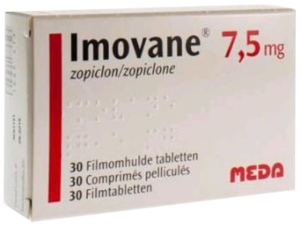
Zopiclone vs Zolpidem: What’s the Difference?
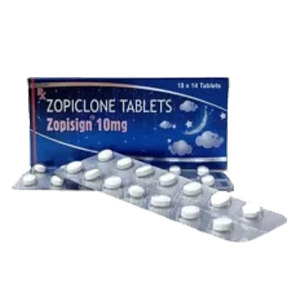
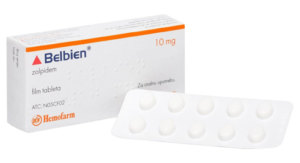
If you are considering sleep medication in the UK, you are likely to come across these two medications.
| Feature | Zopiclone | Zolpidem |
| Main Use | Helps fall asleep and stay asleep | Helps mainly with falling asleep |
| Duration | Slightly longer acting | Shorter duration |
| Common Side Effect | Metallic taste | Drowsiness or dizziness |
| Usage | Short-term only | Short-term only |
Both are:
- Prescribed for short-term use
- Not required/intended for long-term reliance
- Preferred to used only under medical supervision
Learn more here → [Zopiclone]
Natural Remedies: Helpful, But Not Always Enough
Natural remedies are usually the initial solution and they can help in many cases.
They usually work best when:
- The sleep problem is recent
- Your routine has been disrupted
- The stress is temporary
Also, if you have been dealing with insomnia over time, using only natural remedies can get quite frustrating.
You might experience:
- Variability in improvement
- Success followed by failure
- Increasing worry about your sleep
It is usually at this time that you realize that your problem is no longer about your routine and might need a more structured approach.
When Therapy Becomes Important
This is where CBT-I therapy comes with relevance:
While most approaches to curing insomnia focus on changing habits, CBT-I targets more basic patterns that are causing the insomnia:
- Thinking too much at night
- Pressure to fall asleep
- Disrupted sleep patterns
It is widely recommended in UK clinical practice because:
- It tackles the root cause
- It improves sleep over time
- It helps break a reliance on medication
For many people, this is where sleep starts to feel better again, not just temporarily improved.
Online Consultation Options: Getting the Right Guidance
You cannot go too far when you try to sort out your sleep on your own. Have you been giving it a go and not really making any progress?
Well, sometimes it can make a big difference if you get professional help.
It helps to:
- Understand what is really going on with your sleep
- Get a plan that is tailored to your individual needs
- Get support that is based on CBT-I therapy
- See if medication is an option for you
Explore this here → [Online Consultation]
Choosing the Right Treatment (Without Overcomplicating It)
If everything is confusing, then let us simplify:
- Recently, have you had problems sleeping?
⇒ Begin with changes to your lifestyle
- Do you have ongoing sleep problems, or are they frustrating?
⇒ Think about CBT-I and/or structured support
- Are your sleep problems severe, or is it just for a short time?
⇒ Medication can be an option for a short time
You don’t need to do all of them.
You need to choose what is appropriate for your situation.
What Is the Best Insomnia Treatment?
There is no single answer.
The best insomnia treatment is one that:
- Fits where you are right now
- Targets the actual cause
- Helps you develop lasting sleep
Not just something that works for a few nights. But something that will keep on working.
Take the Next Step
If you’ve been trying different approaches without clear results, getting personalized guidance can help make the next step much clearer.
Begin your online consultation → [Online Consultation]
See all available treatment options → [Insomnia Treatment]
If the treatment requires medication, this is provided discreetly following clinical review within the UK.
Conclusion:
If the quality of your sleep has not been consistent for a while, it’s not because you’re not trying hard enough.
It’s usually because the approach doesn’t match the problem.
And once that changes-
Sleep is easier than you expect. You just need the right help.
FAQs: Insomnia Treatment Options
What is the best insomnia treatment?
The best insomnia treatment varies based on your condition. CBT-I is the best long-term solution for insomnia, while lifestyle changes and medications can help with mild cases of insomnia.
Should I use sleep medication or natural remedies?
While natural remedies can provide long-term sleep benefits, sleep medication is best for short-term relief. Most people should begin with non-pharmacological interventions.
Are sleeping tablets safe in the UK?
Sleeping tablets including zopiclone and zolpidem are safe when taken under prescription, they are only recommended for short-term use.
What is the difference between Zopiclone and Zolpidem?
While Zopiclone works for falling and staying asleep, Zolpidem only works for falling asleep.
When should I consider professional help?
If your insomnia has lasted longer than a few weeks or is affecting your daily life, then it is worth exploring professional help such as CBT-I or medication or an online consultation.

Medically Reviewed
Dr. Aanchal Mahajan (BDS)
Medical Content Reviewer
Disclaimer:
The information provided is for general guidance only. Sleep problems and treatment decisions need to be reviewed by a qualified healthcare professional. Treatment, such as medication, is prescribed where necessary. You need to consult your GP or a licensed professional before taking any treatment.