




Insomnia
Why You Can’t Sleep and What You Can Do About It
You’re tired. Properly tired.
You go to bed, hoping that this night will be different.
But your brain doesn’t turn off.
You look at the clock, see that it’s 1:18am, then 2:46am, and then suddenly… the morning comes, and you feel even worse than you did before.
This is not a ‘bad night’s sleep”, if this is a pattern, and could be insomnia, a common sleep disorder worldwide that affects how you sleep, how you think, and how you function every day.
But the thing that you need to know is that insomnia is real, medically recognized, and treatable.
Reviewed by a Healthcare Professional
This content has been reviewed for clinical accuracy and aligns with current UK sleep management guidelines.
Why trust this information?
- UK-based clinical guidance
- Evidence-based insomnia treatments
- Prescribed where appropriate
What is Insomnia?
Insomnia is a sleep disorder where you experience difficulties that occur on a regular basis, such as:
- Falling asleep
- Staying asleep
- Waking up too early and not being able to fall back asleep
However, insomnia is not just a nighttime experience. It is defined by how it affects you during the day. You may experience:
- Fatigue
- Trouble concentrating
- Low mood or irritability
- Under-performance in work or activities
Insomnia is considered a medical condition when your sleep difficulties occur despite having sufficient sleep opportunities, and they start to affect your quality of life.
Types of Insomnia: Acute vs Chronic
Not all insomnia is the same. Understanding the type helps guide the right approach.
| Feature | Acute Insomnia | Chronic Insomnia |
| Duration | Few days to weeks | 3 months or longer |
| Frequency | Occasional | At least 3 nights per week |
| Common Triggers | Stress, travel, illness | Anxiety, habits, underlying conditions |
| Severity | Mild to moderate | Persistent and more disruptive |
| Treatment Approach | May resolve on its own | Requires structured treatment (e.g. CBT-I) |
Acute Insomnia (Short-Term)
This type of insomnia is usually precipitated by an identifiable cause like:
- Stress and emotional changes
- Travel and disruption of routine
- Illness and temporary discomfort
This type of insomnia is short-lived and may last for a few days to a few weeks.
Chronic Insomnia (Long-Term)
This type of insomnia is long-lasting and is defined by:
- Difficulty sleeping for at least 3 nights a week
- Duration of 3 months and longer
At this point, insomnia is a mixture of physical, psychological, and behavioral habits. It does not improve on its own and needs to be treated with structured and evidence-based methods.
Insomnia Symptoms: What Should You Look Out For?
The signs of insomnia are not always obvious at first.
Common insomnia symptoms include:
- Taking a long time to fall asleep
- Waking multiple times during the night
- Waking too early and being unable to fall back to sleep
- Feeling unrefreshed despite having spent adequate time in bed
- Daytime tiredness or lack of energy
- Having difficulty focusing, remembering, and making decisions
- Being irritable, anxious, and with low mood
In addition to these, over time, people tend to start worrying about their sleep. This actually ends up contributing to insomnia.
How Common is Insomnia in the UK?
Insomnia is considered to be one of the most common sleep problems in the country.
- 1 in 3 people in the UK have difficulty with their sleep
- Approximately 10-14% of adults are considered to have chronic insomnia
- It also tends to be more common in women, as well as in older people and in those with ongoing stress
However, many people are unaware that they should seek help for the problem, often assuming poor sleep is something they simply have to live with.
Causes of Insomnia: Why Does Insomnia Happen?
There is rarely any single cause of insomnia, and in most cases, it is a mix of different causes leading to the development of insomnia, which includes:
Stress and Mental Health
Having an overactive mind, which can be caused by anxiety, stress, or thoughts running too fast, is a common cause.
Lifestyle and Sleep Habits
- Irregular patterns of sleep
- Watching screens or using electronic devices at night
- Consumption of caffeine or alcohol
- No routine or irregular routine
This can affect the body’s natural wake and sleep patterns.
Physical Health Conditions
Pain, hormonal, breathing, or digestive problems can affect the quality of sleep.
Learned Sleep Patterns
If you have not been sleeping well, your brain can get used to associating the bed with wakefulness rather than rest, leading to insomnia.
For a deeper understanding, visit: Insomnia Causes
The Impact of Insomnia on Health
Insomnia does not just affect sleep; it may affect almost every body system.
Short-Term Effects
- Fatigue and lack of energy
- Decreased concentration and productivity
- Mood changes
Long-Term Impact
If insomnia is a long-term problem, it may contribute to the development of:
- Anxiety and depression
- Hypertension and cardiovascular disease
- Weak immune system
- Poor quality of life
Since insomnia is a YMYL (Your Money or Your Life) health issue that affects almost every body system, it requires accurate, balanced, and evidence-based information.
When Should You Seek Help?
The occasional sleep issues are perfectly normal. However, it is advisable to seek professional assistance when you experience any of the following:
- The difficulty sleeping lasts for more than a few weeks
- You are tired all the time, even when you are sleeping enough
- The sleeping difficulty is impacting your work, relationships, or mental health
- You are using medication or alcohol to fall asleep
Seeking help early can make a significant difference and prevent long-term complications.
Overview of Insomnia Treatments
The good news is that it is highly manageable if approached the right way. The current UK guidelines suggest evidence-based non-drug treatments as the first step.
1. Cognitive Behavioural Therapy for Insomnia (CBT-I)
This is the first-line treatment recommended by UK guidelines.
CBT-I works by changing:
- Unhelpful thoughts about sleep
- Improving sleep behaviours
- Restoring and understanding natural sleep rhythm
CBT-I treats the underlying cause of insomnia, not just the symptoms.
2. Sleep Hygiene
Improving one’s daily habits may also be helpful for the improvement of sleep quality.
Including:
- Keeping a regular sleep schedule and wake-up schedule
- Avoiding screen time before going to sleep
- Keeping the sleep environment comfortable and quiet
Learn more here: Sleep Hygiene
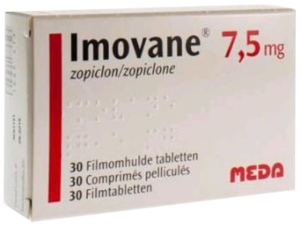
3. Medication (When Needed)
Sleeping tablets can be prescribed in the following situations, but:
- They are usually recommended for short-term use only
Long-term use of such tablets can lead to dependence or decreased potency.
4. Structured Treatment Options
Clinically guided programmes, including digital therapies, are increasingly used across the UK to ensure accessible and effective insomnia care.
Explore your options: Insomnia Treatment
Explore treatment options: Treatment Options
Insomnia Insight:
It can feel as though your sleep is broken.
However, in many instances, insomnia isn’t a permanent state, it’s a pattern that your brain has learned over a certain period of time.
And, with the appropriate approach, this pattern can be shifted.
Start your online consultation → [Online Consultation] Explore treatment options → [Treatment Options]
Conclusion:
Insomnia is one of the most common sleep disorders in the UK, and it is also one of the most misunderstood or neglected ones. Insomnia does not just affect the way you sleep, but also the way you live.
The answer lies not in ignoring or fighting through the situation, but in understanding it.
With the appropriate knowledge, support, and treatment, you can achieve a good night’s sleep.
If you are in a difficult situation, then you are in the right place to seek help.
FAQs
What is insomnia?
Insomnia is a sleep disorder where you have difficulty falling asleep, staying asleep, or waking too early, along with daytime symptoms like fatigue and poor concentration.
How do I know if I have insomnia?
If sleep problems occur regularly and affect your daily functioning, it may be insomnia rather than occasional poor sleep.
Can insomnia be treated?
Yes, insomnia is treatable. Approaches such as CBT-I, lifestyle changes, and short-term medication (when needed) are commonly used.
When should I seek help for insomnia?
If your sleep problems last more than a few weeks or affect your daily life, it’s advisable to seek professional guidance.

Medically Reviewed
Dr. Aanchal Mahajan (BDS)
Medical Content Reviewer
Disclaimer:
This content is intended for informational purposes only and does not constitute medical advice. Insomnia and its treatment should be assessed by a qualified healthcare professional. Treatment options, including medication, are prescribed where appropriate and subject to individual clinical evaluation. Always consult your GP or a licensed provider before starting any treatment.
Where medication is prescribed, treatment and delivery are handled discreetly within the UK.