

Insomnia Treatment
Showing all 5 results
-
 Select options This product has multiple variants. The options may be chosen on the product page Quick View
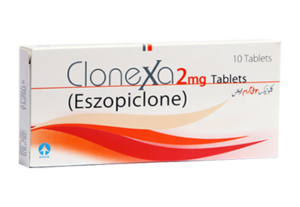
Eszopiclone 2mg
Price range: £39.99 through £139.99 -
Select options This product has multiple variants. The options may be chosen on the product page Quick View
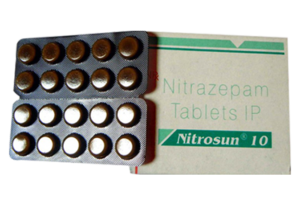
Nitrazepam 10mg
Price range: £39.99 through £144.99 -
 Select options This product has multiple variants. The options may be chosen on the product page Quick View
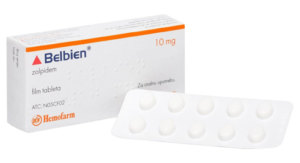
Zolpidem 10mg
Price range: £44.99 through £144.99 -
 Select options This product has multiple variants. The options may be chosen on the product page Quick View
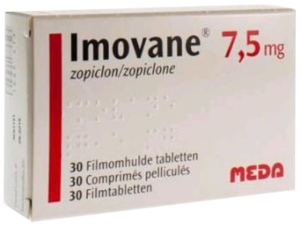
Zop 7.5 mg (Zopiclone)
Price range: £44.99 through £144.99 -
 Select options This product has multiple variants. The options may be chosen on the product page Quick View
Zopiclone 10mg (Zopisign)
Price range: £49.99 through £155.99


Realistic Understanding of What Works!!
Have you ever had one of those nights when you’re lying in bed at 2am, wide-awake and staring at the ceiling? You’re tired, but you just can’t fall asleep?
The thing is, treating insomnia isn’t about falling asleep. It’s about understanding what’s preventing you from sleeping and then using the best way to cure the problem.
In this guide, we’re going to look at the best way to treat insomnia using evidence-based techniques, CBT-I, and the role of sleeping tablets in the UK-all aligned with current NHS guidance.
Reviewed by a Healthcare ProfessionalThis content has been reviewed for clinical accuracy and aligns with current UK sleep management guidelines.
Why trust this information?
- UK-based clinical guidance
- Evidence-based insomnia treatments
- Prescribed where appropriate
Overview of Insomnia Treatment Options
There’s no single answer that works for all. Insomnia can have several causes, which means that its treatment may need several layers.
There are three main ways of treating insomnia:
- Behavioural and psychological interventions
- Lifestyle and habit changes
- Short-term medications (wherever clinically appropriate)
In the UK, the advice on treating insomnia is always to follow a non-drug first approach. This means using sustainable, long-term strategies before considering medication.
If you would like a broader overview of available approaches, you can explore [Treatment Options].
To understand the underlying causes affecting your sleep, you can explore [Insomnia Causes].
Lifestyle Changes That Support Better Sleep
For many individuals, it is these small but consistent modifications that provide the foundation of how to treat insomnia effectively.
Build a Consistent Sleep Routine
Going to bed and waking up at the same time every day, even on weekends always helps regulate the body clock.
Limit Stimulants
Caffeine is known to stay in your body for as long as 3-6 hours. Cutting down on caffeine consumption, particularly in the afternoons and evenings, can help you sleep better.
Create a Wind-Down Routine
Your mind needs to receive a signal that it is time to sleep.
You can do this by:
- Reducing your time in front of the TV
- Engaging in relaxing activities such as reading or stretching
- Keeping your lights soft in the evenings
Use Your Bed for Sleep Only
Engaging in activities such as working or watching TV in bed can weaken your mind’s association of your bed as a place of sleep.
Keep Your Sleep Environment Comfortable
A dark, quiet, cool room might support deeper and uninterrupted sleep. These changes might seen simple but when done daily they can definitely improve sleep quality over time.
CBT-I Therapy: The Gold Standard Treatment
Among all the available choices, CBT-I treatment has proven to be the best way to manage the condition in the long run.
What is CBT-I?
CBT-I is a scientifically proven treatment that helps you change the way you think and behave to manage your insomnia.
It is not just a treatment for sleeping; it is a treatment for changing the way you think and behave in relation to sleeping.
How CBT-I Works?
CBT-I treatment includes the following steps:
- Sleep Restriction – This is the process of restricting the time spent in bed.
- Stimulus Control – This is the process of strengthening the association between the bedroom and sleeping.
- Cognitive Techniques – This is the process of reducing the anxiety associated with sleeping.
- Relaxation Techniques – This is the process of relaxing the mind and body.
Why CBT-I Is Recommended
CBT-I treatment is recommended by clinical guidelines, NHS-supported pathways, due to the following reasons:
- It tackles the underlying cause of insomnia.
- It helps in improving the quality and duration of sleeping.
- It is long-term, and the results are seen even after the treatment is over.
Unlike other treatments, CBT-I treatment helps you in the long run with the tools you have learned.
Medication for Insomnia (Zopiclone, Zolpidem)
Medications can be used in some cases to treat insomnia, but it is vital to know how to use them properly.
Common Sleeping Tablets in the UK-
There are two major medications used to treat insomnia:
- Zopiclone
- Zolpidem
These medications work on the brain to induce sleep and are used to treat severe conditions.
For further information on zopiclone and its use, click on: [Zopiclone]
When Is Medication Used in Insomnia?
Sleeping tablets in the UK are only used in the following circumstances:
Short-term or acute insomnia
- Severe disruption of sleep, which interferes with daily activities
- When nothing else has helped alleviate the symptoms
Important Considerations
- Sleeping tablets are only used for short periods, i.e., for a few days or weeks
- Sleeping tablets are not for nightly use over an extended period of time
- There is also the risk of dependence on these tablets if they are taken for longer periods than recommended
Side effects of the tablets may include drowsiness, lethargy, or lack of coordination the next day. These tablets should always be used under the guidance of a doctor.
While they can provide temporary relief, they do not tackle the underlying reasons for insomnia.
NHS Approach to Insomnia Treatment
The NHS has a well-structured approach to the treatment of insomnia, with the focus on long-term results and the safety of the patient.
Step 1: Improving Daily Habits and Sleeping Environment/Sleep Hygiene
The first step in treating insomnia is improving sleeping habits and the environment.
Step 2: CBT-I Therapy
If Insomnia persists CBT-I is the first line treatment recommended.
Step 3: Short-Term Medication
Medication might be considered only when it is necessary and used along with behavioural strategies.
Focus on treating the cause, not the symptom.
What Works Best for Insomnia?
| Approach | Role in Treatment | Long-Term Effectiveness |
| Lifestyle Changes | Foundation | Moderate–High |
| CBT-I Therapy | Core treatment | High |
| Medication | Short-term support | Low (if used alone) |
For most people, combining lifestyle improvements with CBT-I provides the most sustainable results.
When to Seek Professional Help
Occasional sleepless nights are common. However, you should consider seeking support if:
- Insomnia lasts longer than 3–4 weeks
- You feel persistently tired, irritable, or unable to concentrate
- Sleep problems are affecting your daily functioning
- You rely regularly on sleeping tablets
A healthcare professional can assess your symptoms and guide you towards the most appropriate treatment plan.
If your sleep has been consistently affected, the right support can help you regain control.
Start your online consultation → [Online Consultation]
Explore treatment options → [Treatment Options]
Final Thoughts: Treating Insomnia the Right Way
So if you’ve been having problems sleeping, it’s quite easy to get frustrated. You might even find that you’re anxious about going to bed.
But it’s clear that effective insomnia treatment is not about looking for short-term solutions. It’s about understanding your sleep patterns and how you can improve them in the long term.
While sleep medications in the UK can provide short-term relief, other methods such as CBT-I therapy and lifestyle changes are much better for long-term insomnia treatment.
The idea is not to sleep well for a short time; it’s to develop a system that will allow you to sleep well in the future.
Where treatment is prescribed, care and delivery are handled discreetly within the UK.
FAQs
What is the most effective insomnia treatment?
CBT-I is widely recommended as the most effective long-term treatment for insomnia.
Are sleeping tablets safe for insomnia?
Sleeping tablets can be safe when prescribed, but they are typically used for short-term relief only.
How long does insomnia treatment take to work?
Lifestyle changes may take time, while CBT-I can show improvement over a few weeks.
Can insomnia be treated without medication?
Yes, many people improve their sleep using behavioural therapies and lifestyle changes without medication.

Medically Reviewed
Dr. Aanchal Mahajan (BDS)
Medical Content Reviewer
Disclaimer:
This content is intended for informational purposes only and does not constitute medical advice. Insomnia and its treatment should be assessed by a qualified healthcare professional. Treatment options, including medication, are prescribed where appropriate and subject to individual clinical evaluation. Always consult your GP or a licensed provider before starting any treatment.