
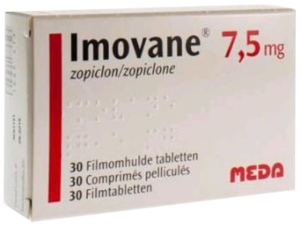
Is Zopiclone Safe?
What You Really Need to Know Before Taking It
If you have been experiencing sleep problems, you may have already come across zopiclone, and the next question that comes to your mind is: Is zopiclone safe??
The answer to this question is a little complicated because the answer is neither a complete yes nor a complete no. The answer is that zopiclone is safe if you use it the right way; however, it is not a permanent solution for sleep problems.
Let’s talk about it in a straightforward way that actually makes sense- without fear, but also without sugarcoating!
Is Zopiclone Safe? (A Balanced, Real-World Answer)
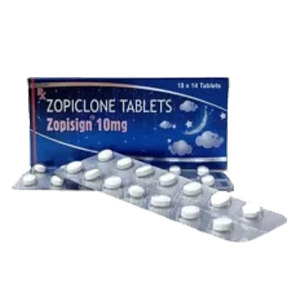
Zopiclone is a prescription-only sleeping pill that is taken for short-term insomnia. It functions by reducing brain activity to help you fall asleep faster.
From a medical perspective, it is considered to be perfectly safe for short-term use, i.e., up to a period of 2-4 weeks.
This is perfectly in line with UK guidelines which focuses on minimizing risks associated with dependence and abuse. But safety is not just about the drug. It is about how it is used in real life.
Zopiclone may be considered safe if:
- You’re experiencing a short-term sleep problem
- Other methods haven’t worked for you
- It’s been prescribed to you under the care of a professional/GP
But it becomes less “safe”, if you take it for longer than recommended, in high doses, or unsupervised.
For correct dosing, refer to: Zopiclone Dosage
Short-Term vs Long-Term Use
This is where most people get confused and where sleep medication safety really matters.
Short-Term Use: Where It usually Helps-
Zopiclone’s short-term benefits are that it may help you:
- Fall asleep faster
- Reduce night-time awakenings
- Allow your body to “reset” its sleep rhythm
For many people, this is a relief factor after weeks of poor sleep.
Long-Term Use Risks: What might change over time-
The problem begins when the use extends beyond a short period. The long-term use risks of zopiclone are well known.
These risks include:
- Your body getting used to it (tolerance)
- Reduced potency
- Trouble sleeping without it
- Disrupting your natural sleep cycles
In a nutshell, what may have helped you initially may eventually become something that your body starts to depend on, without actually helping you solve your sleep problem.
Risk of Dependence
One of the biggest concerns with zopiclone is the risk of zopiclone addiction.
It is part of a class of medicines known to affect the brain’s calming functions. As a result, there is a very real risk of addiction if used regularly for longer than prescribed.
What Dependence Can Look Like:
- You feel like you need it to get to sleep
- The same dose does not have the same effect anymore
- You get nervous if you do not have it
- You do not want to stop taking it even if someone tells you to
This does not mean everyone who uses zopiclone will become dependent on it. However, it is common enough as per the guidelines to advise against long-term use.
Who Should Avoid It
Zopiclone may not be appropriate for everyone. In fact, the risks may outweigh the benefits for certain individuals.
You should be careful or avoid taking zopiclone if:
- You have a history of addiction or drug abuse
- You have problems with breathing, e.g., sleep apnoea
- You have serious liver issues
- You are pregnant or breastfeeding
- You are an older person (because of the risk of falls and confusion)
This is why a proper medical check up is needed before starting any sleeping medication.
Note: It is always advised to consult your GP or prescriber before starting any such medication.
Alcohol & Drug Interactions
This is one area where the risks can build up rapidly.
Alcohol + zopiclone = Not Safe
Zopiclone and alcohol can produce a powerful mix. The result could be:
- Excessive sleepiness
- Poor coordination
- Trouble breathing
- Increased accident risk
Even a small amount of alcohol can produce a stronger effect.
Other Medications to Watch
Zopiclone interacts with other medications such as:
- Anti-anxiety medications
- Antidepressants
- Strong pain relievers (such as opioids)
- Antihistamines
These combinations can make you sleepier and impair your thinking, reaction time, and breathing.
Always check with your doctor or prescriber if you are taking anything else.
Driving & Next-Day Impairment
The common belief is that “If I sleep well, I will be fine the next day.” However, this is not the case with zopiclone.
Some people may feel:
- Grogginess
- Slow reaction times
- Lack of focus
- “Heavy” or “foggy” sensation
This is where your safety, and that of others, becomes a priority.
Safety advice as per the guidelines suggests that you should:
- Ensure that you get a good 7-8 hours sleep after taking the medication
- Do not drive if you feel even slightly drowsy
- “Your safety and the safety of others always come first.”
Safe Usage Guidelines
If you are prescribed zopiclone, a few simple habits can make a big difference in maintaining sleep medication safety.
-
Use It for the Short Term
This is key. Zopiclone is designed as a temporary support, not a long-term solution.
-
Follow the Prescribed Dose
Taking more won’t improve sleep—it will increase risks.
(See: Zopiclone Dosage)
-
Avoid Mixing With Alcohol
Even occasional mixing can be risky.
-
Build Better Sleep Habits Alongside It
Medication works best when paired with:
- A consistent sleep routine
- Limiting screens before bed
- Reducing caffeine intake later in the day
-
Have an Exit Plan
If you’ve been taking it for a while, don’t stop abruptly. A gradual reduction under guidance is usually safer.
When to Seek Medical Help
It’s important to check in with a healthcare professional if:
- Your sleep hasn’t improved after a few weeks
- You feel dependent on zopiclone
- You notice unusual symptoms or side effects
- You’re unsure how to stop safely
For more on side effects, visit: Zopiclone Side Effects
The Bottom Line
So, coming back to the question- is zopiclone safe?
Yes, when used short term, at the right dose, and with proper guidance. It can be a helpful tool during difficult periods of insomnia.
But it’s not a long-term answer. The risks, especially long-term use risks and zopiclone addiction risk, increase the longer it’s used.
The goal isn’t just sleep tonight: It’s safe, sustainable sleep long term.
And that often means using medication carefully, while also addressing the habits and patterns that affect your sleep in the first place.